Wildfire Smoke Consult and Testing
The skies are blue and the AQI is usually green.
But does this mean exposure to the risks is gone?
MN/WI residents directly in the path of previous wildfire smoke are still in urgent need of physical recovery.
We are here to help, and can clarify for you the critical health related actions we all need right now.

Minnesota has made progress reducing many traditional sources of air pollution. At the same time, wildfire smoke and ozone are creating a new pattern of recurring air-quality emergencies.
The Minnesota Pollution Control Agency reports that unhealthy air days have increased over the past five years and that wildfire smoke has become increasingly common in Minnesota over the past decade. Hot, sunny weather can also increase ground-level ozone, while smoke plumes may carry both fine particles and chemicals that contribute to ozone formation.

Understand our Air Quality Alerts:
Multiple Concerns
Air-quality alerts: commonly driven by two major pollutants:
Ground-level ozone and fine-particle pollution,
including PM2.5.
They affect our bodies very differently, and require different protection strategies. These stratagies are simple and easy. All people tend to need are information and resources with knowledgable proffesional services.


Four Years of Escalating Air-Quality Events
2023 - 2026
Minnesota’s air-quality pattern is becoming increasingly severe and recurring. In 2023, the state experienced a record 52 alert days, driven by wildfire smoke, fine particles and ozone, with repeated red-level conditions that were once considered rare. Smoke returned in 2024, purple “very unhealthy” conditions affected northern Minnesota in 2025, and hazardous maroon conditions returned in 2026. MPCA connects this trend to larger, more frequent wildfires, longer fire seasons and conditions that favor ozone formation. As outdoor air becomes less predictable, protecting and managing the indoor environment becomes increasingly important.
Ground-Level Ozone
Ozone, a reactive gas, is formed by a chemical reaction when pollutants react in sunlight.
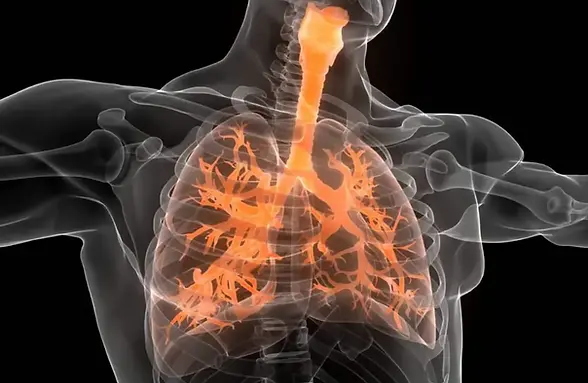
Ozone gas is able to move all the way down to the deepest part of our lungs, primarily affecting the respiratory system.
The easiest way to understand ozone effects are that ozone gas burns our airway tissue, and acts like a sun or acid burn.
Here is what happens when we get burned:
-
Our tissue is injured.
-
Our cells are damaged or destroyed.
-
Our blood vessels widen and leak fluid, causing redness and swelling.
-
Our nerves signal pain and burning tenderness.
-
Our immune system responds, creating inflammation.
-
Our damaged tissue may blister, peel, or die, depending on severity.
-
Our body removes damaged cells and protects the area from infection.
-
Repair begins. Our new cells, blood vessels, and connective tissue form.
-
The area remodels over time. Mild burns may heal normally; deeper burns can scar or permanently reduce function.
So let's think rationally. Our lungs are where we get our oxygen, and if a burn happens over and over, what happens?
Exactly. We get less oxygen.
Particulate Pollution
(especially PM2.5)
PM2.5 is a mixture of microscopic solid particles and liquid droplets measuring 2.5 micrometers or smaller.
These particles can travel deep into the lungs. Some may move beyond the respiratory system and enter the bloodstream.
Particle pollution has been linked with:
-
Airway irritation and inflammation
-
Coughing and difficulty breathing
-
Aggravated asthma
-
Reduced lung function
-
Irregular heartbeat
-
Heart attacks and stroke
-
Effects on blood vessels and circulation
-
Increased hospital and emergency-room visits
The smallest particles present the greatest concern because of how deeply they can penetrate the body.
Comparison line
**Ozone reacts with airway tissue.
Fine particles travel deeply into the body.**
A severe smoke event may expose people to both particles and gases.

Ozone can make the airways swell and become more reactive. Because children’s airways are narrower and their lungs are still developing, that swelling can affect breathing sooner and more seriously.


Tess Brown
Office Manager
Write a bio for each team member. Make it short and informative to keep your visitors engaged.
Ozone can:
-
Irritate and inflame the airways
-
Cause coughing or throat irritation
-
Make deep breathing painful or difficult
-
Cause wheezing and shortness of breath
-
Reduce lung function
-
Aggravate asthma, emphysema and chronic bronchitis
-
Make the lungs more susceptible to infection
Children are particularly vulnerable because their lungs are still developing and they are often active outdoors during warm, sunny weather when ozone levels rise.
123-456-7890


Lisa Rose
Product Manager
Write a bio for each team member. Make it short and informative to keep your visitors engaged.
Injury → cell damage → inflammation → cleanup → repair → healing or scarring.
123-456-7890
