
Advanced Surface Purification Technologies Explained

In an era where cleanliness and hygiene are paramount, advanced surface purification technologies have emerged as essential tools across various industries. From healthcare to food processing, these technologies ensure that surfaces are not only clean but also free from harmful pathogens and contaminants. This blog post will explore the different types of advanced surface purification technologies, their applications, and the benefits they offer.
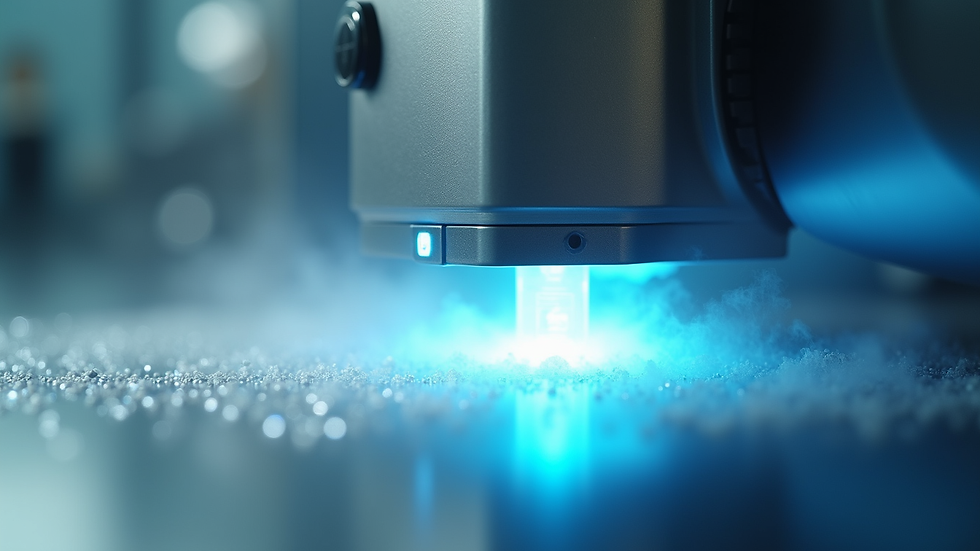
Understanding Surface Purification Technologies
Surface purification technologies encompass a range of methods designed to clean and disinfect surfaces effectively. These technologies utilize various principles, including chemical, physical, and biological processes, to achieve optimal cleanliness. Here are some of the most common types:
Chemical Purification
Chemical purification involves the use of disinfectants and cleaning agents to eliminate contaminants. This method is widely used in healthcare settings, where surfaces must be sanitized to prevent the spread of infections. Common chemical agents include:
Bleach: Effective against a wide range of pathogens, bleach is often used in hospitals and laboratories.
Alcohol-based solutions: These are popular for disinfecting surfaces in both medical and non-medical environments.
Quaternary ammonium compounds: Known for their effectiveness against bacteria and viruses, these compounds are commonly found in household cleaners.
Physical Purification
Physical purification methods utilize physical processes to remove contaminants from surfaces. These include:
Ultraviolet (UV) light: UV light is effective in killing bacteria and viruses by disrupting their DNA. It is commonly used in water treatment facilities and healthcare settings.
Steam cleaning: High-temperature steam can effectively kill pathogens and remove dirt from surfaces. This method is often used in food processing and hospitality industries.
Electrostatic spraying: This technique involves charging disinfectant droplets to ensure even coverage on surfaces, making it particularly effective for large areas.
Biological Purification
Biological purification employs natural processes to clean surfaces. This method is gaining popularity due to its eco-friendly nature. Examples include:
Enzymatic cleaners: These products use enzymes to break down organic matter, making them effective for cleaning surfaces in kitchens and bathrooms.
Microbial cleaning agents: These agents introduce beneficial microbes that outcompete harmful pathogens, promoting a cleaner environment.
Applications of Surface Purification Technologies
Advanced surface purification technologies are utilized across various sectors, each with unique requirements and challenges. Here are some key applications:
Healthcare
In healthcare settings, maintaining a sterile environment is crucial. Advanced surface purification technologies help reduce the risk of hospital-acquired infections (HAIs). For example, UV light disinfection systems are increasingly used in operating rooms and patient rooms to ensure surfaces are free from harmful microorganisms.
Food Processing
Food safety is paramount in the food processing industry. Chemical and physical purification methods are employed to sanitize equipment and surfaces, preventing contamination. Steam cleaning is particularly effective in removing residues from food processing equipment, ensuring compliance with health regulations.
Hospitality
In the hospitality sector, cleanliness directly impacts customer satisfaction. Hotels and restaurants utilize advanced surface purification technologies to maintain high hygiene standards. Electrostatic spraying is often used to disinfect large areas quickly and efficiently, ensuring guest safety.
Transportation
Public transportation systems, including buses and trains, are high-traffic areas that require regular cleaning. Advanced surface purification technologies, such as UV light disinfection and chemical sprays, are employed to keep these environments safe for passengers.
Benefits of Advanced Surface Purification Technologies
The adoption of advanced surface purification technologies offers numerous benefits, including:
Enhanced Safety
By effectively eliminating pathogens and contaminants, these technologies significantly reduce the risk of infections and illnesses. This is particularly important in healthcare and food processing environments.
Improved Efficiency
Many advanced purification methods, such as electrostatic spraying and UV disinfection, allow for quicker cleaning processes. This efficiency is crucial in high-traffic areas where downtime must be minimized.
Cost-Effectiveness
While the initial investment in advanced purification technologies may be higher, the long-term savings from reduced illness and improved compliance with health regulations can outweigh these costs. Additionally, many of these technologies require less labor and fewer resources than traditional cleaning methods.
Environmental Sustainability
Biological purification methods, such as enzymatic cleaners, are often more environmentally friendly than traditional chemical cleaners. This shift towards sustainable cleaning solutions is becoming increasingly important as industries seek to reduce their environmental impact.
Challenges and Considerations
Despite the numerous benefits, there are challenges associated with implementing advanced surface purification technologies. Some of these include:
Initial Costs
The upfront investment for advanced purification systems can be significant. Organizations must weigh these costs against the potential long-term savings and benefits.
Training and Implementation
Proper training is essential for staff to effectively use advanced purification technologies. Organizations must invest time and resources into training programs to ensure that employees understand how to operate and maintain these systems.
Regulatory Compliance
Different industries have varying regulations regarding cleaning and disinfection. Organizations must stay informed about these regulations to ensure compliance and avoid potential penalties.
Future Trends in Surface Purification Technologies
As technology continues to evolve, the future of surface purification looks promising. Here are some trends to watch:
Automation
The integration of automation in cleaning processes is on the rise. Robotic cleaning systems equipped with advanced purification technologies can efficiently clean large areas with minimal human intervention.
Smart Technologies
The use of smart technologies, such as IoT devices, allows for real-time monitoring of surface cleanliness. These systems can alert staff when cleaning is needed, ensuring that hygiene standards are consistently met.
Research and Development
Ongoing research into new purification methods and agents will likely lead to more effective and eco-friendly solutions. Innovations in nanotechnology and biochemistry may pave the way for the next generation of surface purification technologies.
Conclusion
Advanced surface purification technologies play a vital role in maintaining cleanliness and safety across various industries. By understanding the different types of purification methods, their applications, and the benefits they offer, organizations can make informed decisions about their cleaning strategies. As technology continues to advance, staying updated on the latest trends will be essential for ensuring a safe and hygienic environment.
By adopting these technologies, businesses can not only enhance safety and efficiency but also contribute to a healthier future for all.


Comments