
The Importance of Water Purification for Health

Water is essential for life. It hydrates our bodies, supports vital functions, and helps maintain overall health. However, the quality of the water we consume can significantly impact our well-being. Contaminated water can lead to various health issues, making water purification a crucial process for ensuring safe drinking water. In this blog post, we will explore the importance of water purification, the various methods available, and how you can ensure that the water you drink is clean and safe.

Understanding Water Contaminants
Before diving into purification methods, it's essential to understand what contaminants can be present in our water supply. Water can be tainted by:
Microbial Contaminants: Bacteria, viruses, and parasites can enter water sources through sewage, agricultural runoff, or animal waste. Common examples include E. coli, Giardia, and Cryptosporidium.
Chemical Contaminants: Pesticides, heavy metals (like lead and mercury), and industrial chemicals can leach into water supplies. These substances can have serious health effects, including neurological damage and cancer.
Physical Contaminants: Sediments, dirt, and debris can affect the clarity and taste of water. While they may not pose direct health risks, they can indicate larger issues with water quality.
Understanding these contaminants is the first step in recognizing the need for effective water purification.
The Health Risks of Contaminated Water
Drinking contaminated water can lead to a range of health issues, from mild gastrointestinal problems to severe diseases. Some potential health risks include:
Waterborne Diseases: Illnesses caused by pathogens in contaminated water can lead to symptoms such as diarrhea, vomiting, and abdominal pain. In severe cases, these diseases can be life-threatening, especially for vulnerable populations like children and the elderly.
Long-term Health Effects: Exposure to chemical contaminants can result in chronic health issues. For instance, long-term exposure to lead can cause developmental delays in children and cardiovascular problems in adults.
Reduced Immune Function: Consuming contaminated water can weaken the immune system, making individuals more susceptible to infections and diseases.
By purifying water, you can significantly reduce these health risks and promote better overall health.
Methods of Water Purification
There are several methods available for purifying water, each with its advantages and limitations. Here are some common techniques:
Filtration
Filtration is one of the most straightforward methods of purifying water. It involves passing water through a filter that removes impurities. There are various types of filters, including:
Activated Carbon Filters: These filters are effective at removing chlorine, sediment, and volatile organic compounds (VOCs). They improve the taste and odor of water.
Reverse Osmosis: This method uses a semi-permeable membrane to remove a wide range of contaminants, including heavy metals and microorganisms. It is highly effective but can be more expensive and wasteful in terms of water usage.
Boiling
Boiling water is a simple and effective way to kill pathogens. Bringing water to a rolling boil for at least one minute can eliminate most bacteria, viruses, and parasites. However, boiling does not remove chemical contaminants, so it should be used in conjunction with other purification methods.
UV Treatment
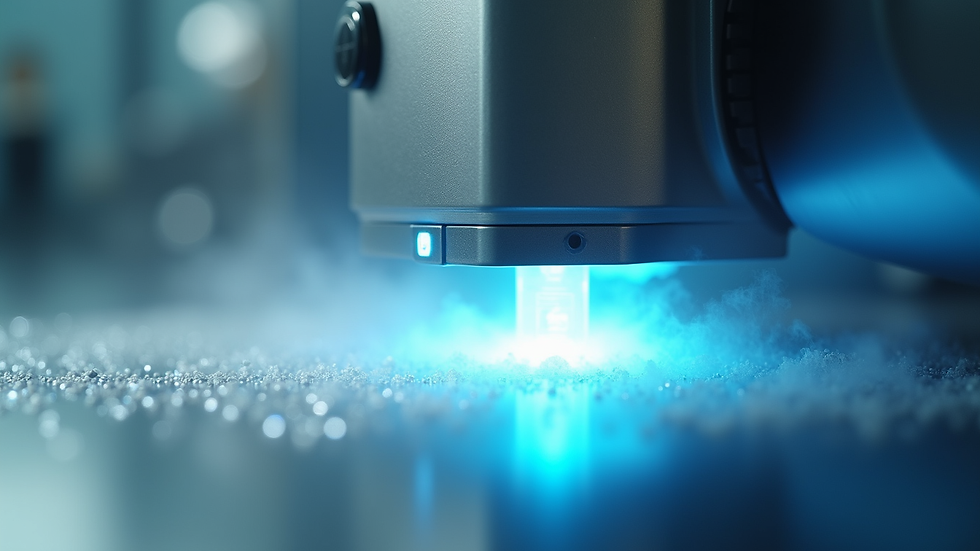
Ultraviolet (UV) treatment uses UV light to kill microorganisms in water. This method is effective against bacteria and viruses but does not remove chemical contaminants or sediments. UV systems are often used in conjunction with filtration systems for comprehensive purification.
Chemical Disinfection
Chemical disinfection involves adding substances like chlorine or iodine to water to kill pathogens. While effective, this method can leave a chemical taste and may not eliminate all contaminants. It's essential to follow guidelines for safe usage to avoid health risks associated with chemical residues.
Choosing the Right Water Purification System
When selecting a water purification system, consider the following factors:
Water Quality: Test your water to identify specific contaminants. This will help you choose a system that effectively addresses your needs.
Budget: Water purification systems vary in price. Determine your budget and look for options that provide the best value for your needs.
Maintenance: Some systems require regular maintenance and filter replacements. Consider how much time and effort you are willing to invest in upkeep.
Capacity: Ensure the system can handle your household's water consumption. Some systems are designed for small households, while others can accommodate larger families.
The Role of Water Purification in Public Health
Water purification is not just a personal concern; it plays a vital role in public health. Communities with access to clean water experience lower rates of waterborne diseases and improved overall health outcomes. Governments and organizations worldwide are working to improve water quality through various initiatives, including:
Infrastructure Development: Investing in water treatment facilities and distribution systems ensures that communities have access to safe drinking water.
Public Awareness Campaigns: Educating the public about the importance of water purification and safe water practices can empower individuals to take action in their own lives.
Regulatory Standards: Governments set standards for water quality to protect public health. Compliance with these standards is crucial for ensuring safe drinking water.
Practical Tips for Ensuring Clean Drinking Water
In addition to using purification systems, here are some practical tips to ensure the water you drink is clean:
Regular Testing: Test your water periodically to check for contaminants. Home testing kits are available for various pollutants.
Proper Storage: Store purified water in clean, food-grade containers to prevent recontamination.
Stay Informed: Keep up with local water quality reports and advisories. This information can help you make informed decisions about your water supply.
Educate Others: Share your knowledge about water purification with friends and family. Raising awareness can lead to healthier communities.
Conclusion
Water purification is essential for maintaining health and preventing disease. By understanding the risks associated with contaminated water and exploring various purification methods, you can take proactive steps to ensure the water you consume is safe. Whether through filtration, boiling, or chemical disinfection, the right purification method can significantly improve your health and well-being. Make informed choices about your water supply, and encourage others to do the same. Clean water is not just a luxury; it is a fundamental right that everyone deserves.

Comments